5 Considerations And Maintenance When Purchasing Gravel Pumps
In projects such as mining, river desilting, port dredging, and tailings treatment at mineral processing plants, how can we avoid frequent equipment failures and project delays caused by improper gravel pump selection or maintenance? As the core equipment in solid-liquid conveying systems, gravel pumps are crucial for efficiently transporting highly concentrated media such as sand, gravel, and slurry from the work surface. Whether transporting slurry in open-pit mines, clearing sediment from urban rivers, or dredging operations in land reclamation projects, the stable operation of gravel pumps is essential for ensuring project continuity.
However, many users often experience premature wear, reduced efficiency, and even frequent failures due to improper selection or inadequate maintenance. This article will delve into five key considerations when selecting a gravel pump and provide practical maintenance tips to help you avoid the worry of buying the wrong pump and causing damage.
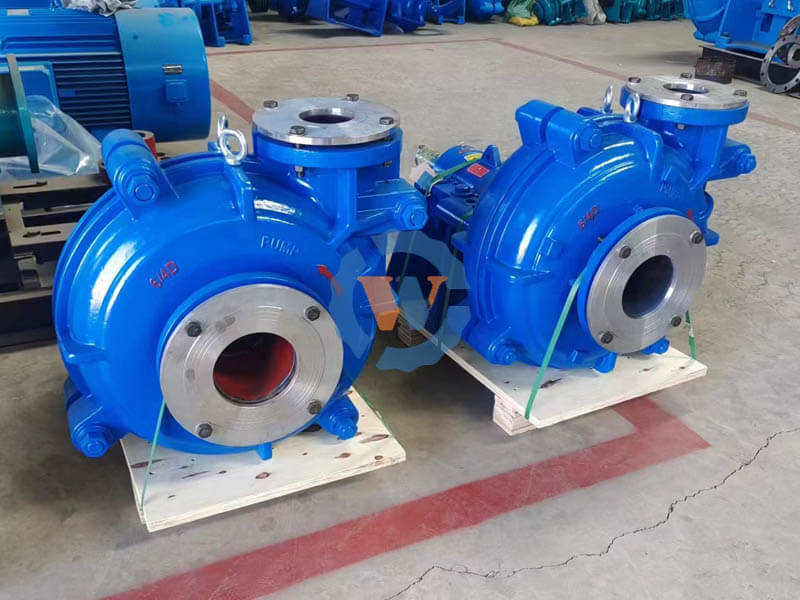
Gravel pumps are primarily used in industries such as mining, dredging, and mineral processing. When selecting a pump, consider its suitability for the operating conditions, wear-resistant materials, performance parameters, structural design, and brand after-sales support to ensure high efficiency and durability. Proper maintenance, such as regular replacement of wear parts, monitoring of operating conditions, and optimized lubrication management, can significantly extend the pump’s service life.
Key Considerations When Purchasing Gravel Pumps
1. Application & Working Conditions
When selecting gravel pumps, first determine the particle size (e.g., ≤50mm or over 100mm), concentration (solids content), and hardness (e.g., quartz sand vs. ordinary mud and sand) of the medium being conveyed.
If the medium contains a large number of sharp particles larger than 10mm in diameter, choose a pump with a wider impeller flow path and a more wear-resistant material.
For longer conveying distances (over 200 meters) or higher lifts (over 50 meters), it’s important to evaluate the pump’s pressure capacity and power compatibility. Furthermore, for outdoor operations, consider dust and water resistance ratings, while for coastal or saltwater environments, focus on corrosion resistance. Accurate operating information can prevent rapid wear of flow components due to excessive media.
2. Material Selection
Currently, mainstream materials include high-chromium alloys (Cr26/Cr28), natural rubber liners, and polyurethane composites. High-chromium alloy gravel pumps are suitable for extreme wear and tear, especially for highly abrasive media (such as iron ore and pebbles), and offer a lifespan 3-5 times that of standard materials. Rubber-lined gravel pumps are designed for conveying corrosive media (such as seawater and acidic slurries), but are not heat-resistant. For high-hardness granite sand, high-chromium alloy flow components are recommended. For low-concentration, fine sand applications, standard wear-resistant cast iron is suitable, offering lower costs.
It is important to note that strong acidic and alkaline media (such as mineral processing chemicals) may require additional stainless steel or ceramic coatings.
3. Pump Performance Parameters
Flow rate (Q), head (H), shaft power (P), and efficiency (η) are the core performance indicators of a gravel pump. For example, when processing a 30% solids slurry, the required flow rate is typically 15%-20% higher than that required for clean water operation. Otherwise, sedimentation and blockage can easily occur. Head calculations must consider both vertical lift height and pipeline friction losses. Considering the conveying distance, pipeline resistance, and vertical height, it is recommended to allow a 10%-15% head margin. Furthermore, the motor power must be matched to the actual operating conditions to avoid burnout due to overload or energy waste.
4. Pump Structural Design
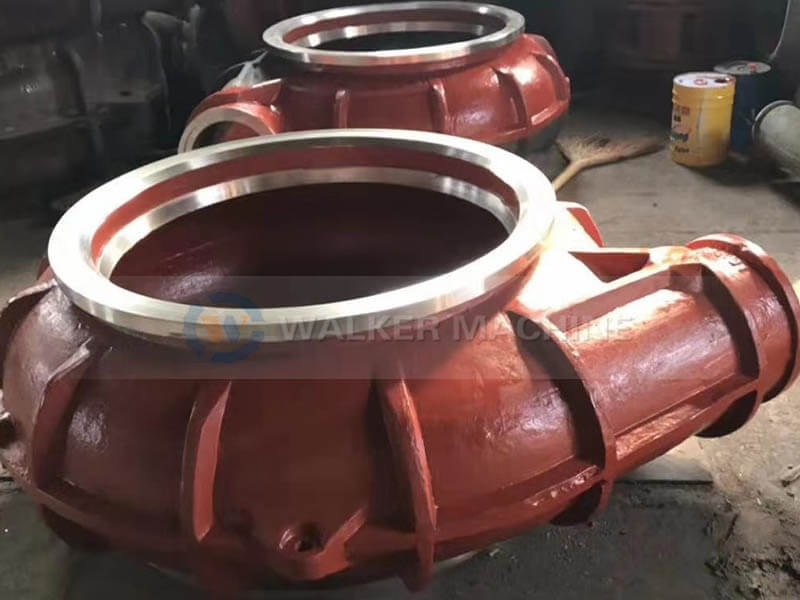
Structural design directly impacts maintenance ease and reliability. Single-casing pumps (with a simple structure and low price) require complete replacement after wear. Double-casing pumps, with their replaceable liners, offer low-cost repairs and are suitable for long-term, high-wear applications.
5. Brand & After-Sales Service
Primarily consider whether the warranty covers major wear parts and whether the supplier has a global spare parts network, such as delivery services to remote mine locations. Be wary of the trap of “whole-unit warranty except for wear parts” clauses on some low-priced products. It’s recommended to request successful case studies from suppliers in similar operating conditions and conduct on-site inspections of key indicators such as “hardness testing of wetted parts” and “dynamic balancing of the impeller.”
Gravel Pump Maintenance Tips
(1). Proper Installation and Commissioning
The stable performance of gravel pumps begins with a standardized installation process. High-strength chemical anchors should be used to secure the base, and the foundation concrete must be strong enough to prevent displacement caused by operational vibration. Pipeline connections must be strictly aligned. A laser alignment tool is recommended to maintain deviation within 0.1 mm/m. Misalignment can increase bearing loads by over 15%.
(2). Operation Monitoring
It is recommended to install an online monitoring system to collect the following data in real time: bearing temperature, vibration levels, and noise spectrum. Key manual inspections include hourly recording of inlet and outlet pressure fluctuations and visually inspecting shaft seal leakage.
(3). Regular Replacement of Wear Parts
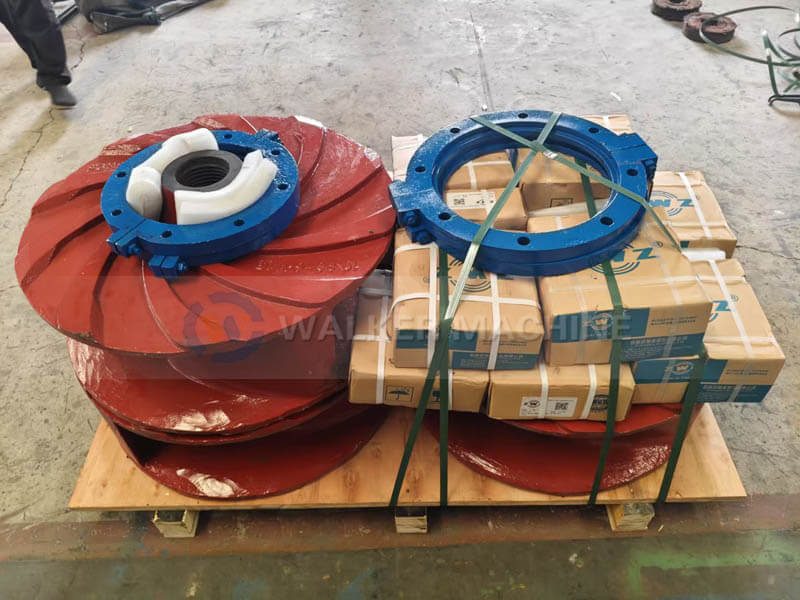
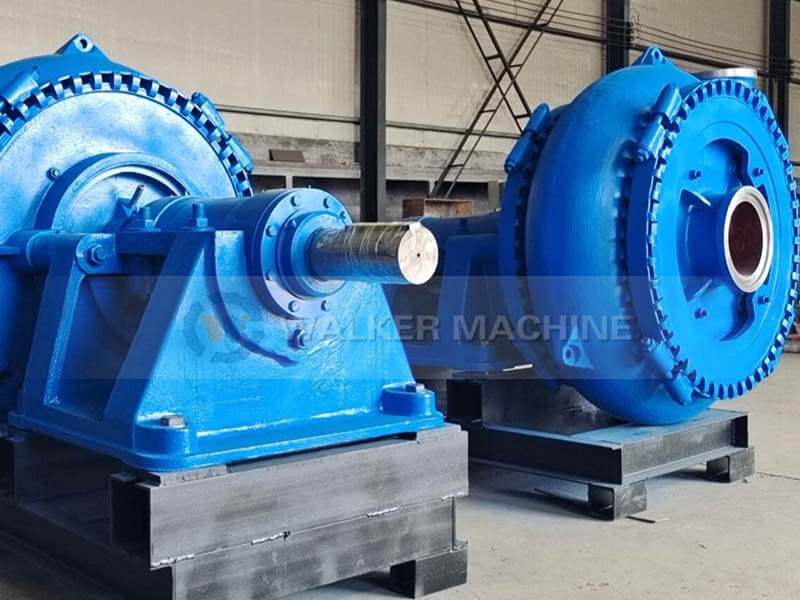
Flow-through components (impellers, liners, etc.) are made of high-chromium wear-resistant alloy or hard nickel. Regular inspection for wear is required, especially after conveying high-concentration slurries. When replacing the impeller or liner, the axial clearance should be adjusted (via the adjusting nut) to maximize efficiency and minimize leakage. The appropriate wear-resistant material for the gravel pump should be selected based on the particle size of the medium to avoid shortening component life due to improper selection.
(4). Lubrication and Cooling System Maintenance
Regularly check the lubricant and contamination level of the bearing assembly. Establish a lubrication interval based on factors such as speed and operating hours (e.g., periodically add or replace the lubricant during operation). For example, if the oil becomes emulsified (white) or impurities precipitate, it should be replaced immediately.
(5). Storage & Idle Maintenance
A deep maintenance procedure is required if the pump is idle for more than 30 days. First, thoroughly drain the pump cavity and piping (especially in winter to prevent frost cracking) and blow out any remaining particles with compressed air. Spray special anti-rust oil on the flow-through parts, and coat the impeller shaft neck with a VCI vapor phase anti-rust film. Check the bearing balls for fixed-point corrosion every month and observe the desiccant status.
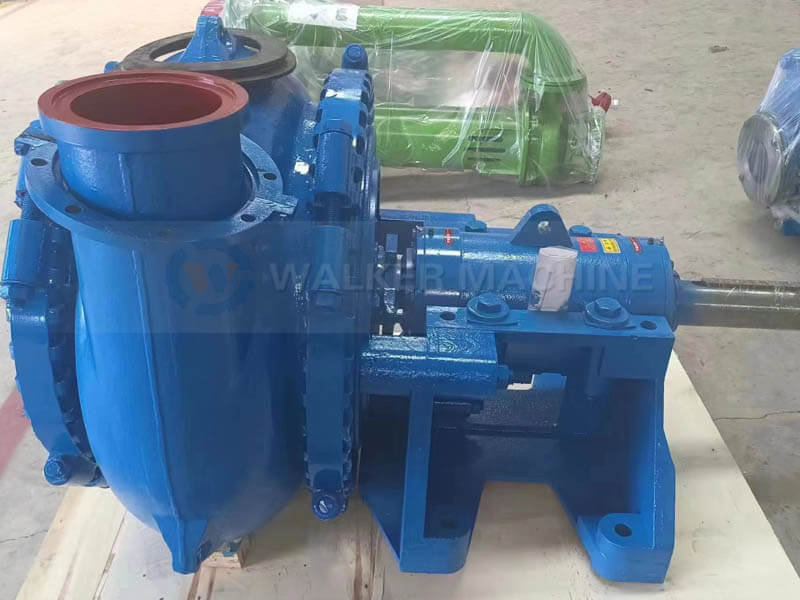
When purchasing gravel pumps, consider the following five key factors: operating conditions, material, structure, manufacturer, and cost. Avoid blindly pursuing low prices or “the bigger the better” specifications. Maintenance is key to extending the lifespan. Daily inspections, regular maintenance, and standardized operation can reduce equipment failures by over 60% and overall operating costs by 30%-40%. Walker offers a wide range of pumps, for customized selection solutions or maintenance guidance, please contact us for professional support to ensure efficient and stable operation of your project.


 English
  Español
  Português
  Русский
  Français