How To Extend Your Water Pump’s Lifespan? 7 Tips
Do you feel like your water pump never lasts long enough? Despite being only a few years old, the machine frequently experiences abnormal noises, leaks, reduced flow, and even burns out the motor. Replacing it would cost hundreds or even thousands of dollars. Before blaming the product quality, realize that over 90% of pump failures actually stem from neglected maintenance or improper operation. The good news is that extending your water pump‘s lifespan doesn’t require complex technical upgrades; by mastering a few key techniques, you can increase its longevity by 50% to 100% and save thousands in repair costs. We reveal 7 scientifically proven maintenance tips to help you put an end to the frustration of a short-lived water pump once and for all.
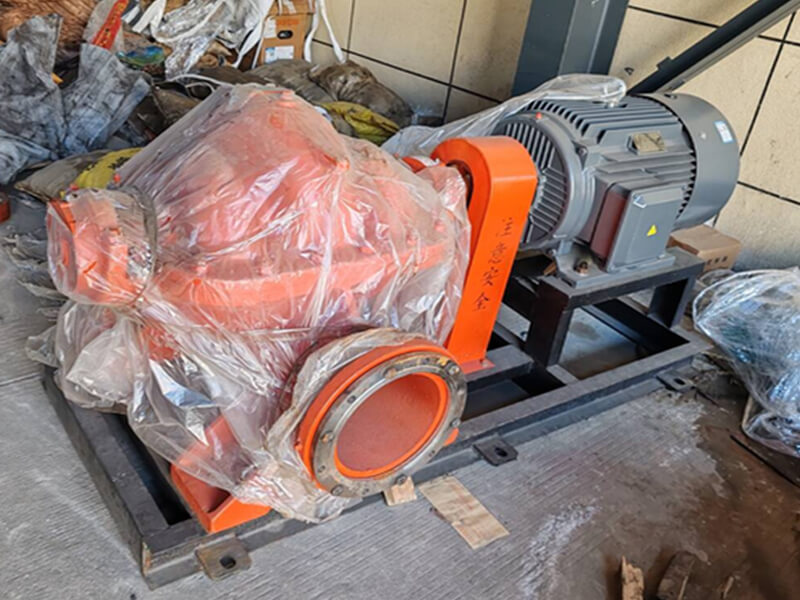
Extending the lifespan of a water pump hinges on seven key strategies: proper selection to match operating conditions, precise installation and alignment, strict prevention of dry running, regular lubrication, cleaning and rust prevention of filters, early replacement of seals, and seasonal protection.
Tip 1: Choose the Right Pump for Your Application
Incorrect pump selection is the primary reason for a short equipment lifespan. Many people focus solely on price while overlooking how well the pump matches the operating conditions; even the best maintenance cannot compensate for a poor initial choice.
3 Water pump selection rules:
Flow rate matching: Too high or too low a flow rate will cause the water pump to deviate from its optimal operating range.
Head matching: The pump must match the system’s required head. If the rated head is too high, the motor will overheat due to prolonged overloading; if it is too low, the output will be inadequate.
Fluid compatibility: Factors such as the corrosiveness, viscosity, and solids content of the pumped fluid must be considered. Choosing the wrong materials can accelerate the deterioration of the pump casing due to corrosion. For instance, a specialized slurry pump should be used when handling sewage containing silt or sand to prevent rapid impeller wear.
It is advisable to include a 10%–20% margin for flow rate and head when selecting a pump to ensure it consistently operates within its high-efficiency zone. Operating near the Best Efficiency Point (BEP) minimizes the radial forces exerted on bearings and seals. Therefore, proper pump selection is the golden rule for extending equipment lifespan.
Tip 2: Install It Correctly
3 Key Points About Water Pump Installation:
Solid Foundation: The concrete foundation must meet required strength specifications, and vibration-damping pads should be used to effectively absorb operational vibrations.
Precise Alignment: Use a laser alignment tool to ensure coupling misalignment is kept within 0.05 mm.
Stress-Free Piping: Connections must be made in a natural state; inlet and outlet piping should not exert direct pressure on the pump body. Piping stress can pull on the pump casing, leading to the misalignment or deformation of internal components.
Tip 3: Never Let It Run Dry
The water pump relies on the pumped fluid to lubricate and cool the mechanical seal during operation. If the pump runs dry (idles without water), the temperature of the seal components can skyrocket to over 300°C in a very short time. This causes the seal ring to fail due to carbonization, allowing the fluid to penetrate the motor and cause a burnout.
Preventing dry running is actually quite simple. Install a dry-run protection switch or a liquid level sensor to automatically cut off the power supply if the water level drops too low. Before starting the pump, always ensure the pump casing is fully primed with water and that air has been bled from the piping. Taking these precautions can prevent 90% of accidental dry-run failures.
Tip 4: Stick to a Lubrication Schedule
3 key points for proper lubrication:
- Change/Replenish Lubricant Regularly: It is recommended to replenish grease every 500 operating hours or every 3 to 6 months. Shorten the interval in high-dust or humid environments.
- Select the Right Lubricant: Choose the appropriate viscosity based on rotational speed and load; high-temperature resistant grades are better suited for high-pressure operating conditions.
- Maintain Cleanliness: Clean the grease fitting before application to prevent dust contamination and reduce bearing wear.
Maintaining a proper lubrication log is the simplest yet most effective way to extend the pump’s service life.
Tip 5: Regularly Clean Strainers and Impellers; Apply Rust Protection
Regular Inspection: Inspect the intake strainer weekly and rinse it thoroughly with clean water; increase the frequency to every two or three days in areas with poor water quality.
Install a Pre-filter: Install a strainer at the water inlet with a mesh size no larger than one-eighth of the inlet diameter; this size effectively blocks most debris without restricting water flow.
Rust Prevention: After cleaning, wipe metal surfaces dry with a cloth and apply a thin layer of anti-rust oil. Also, regularly remove rust and touch up the paint on the pump’s exterior.
Tip 6: Replace Seals and Wear Parts Before They Fail
The mechanical seal is a critical wear part of the water pump, typically with a service life of only one to two years. If it fails, coolant can seep into the motor, causing a short circuit and burnout.
However, the cost of preventive replacement for pump seals and wear parts is far lower than that of reactive repairs—often by a factor of ten or more. Keep an eye out for three warning signs: water stains around the pump body, increased operating noise, and a hot bearing housing. If any of these are detected, arrange for a replacement as soon as possible.
Tip 7: Seasonal Maintenance Plan
Winter maintenance solution for water pumps
Take proactive measures against freezing. Low temperatures cause water to freeze and expand, which can directly crack pump casings and piping—resulting in repair costs that far exceed the expense of routine maintenance. Examples include draining accumulated water, applying thermal insulation, or adding antifreeze.
Spring maintenance solution for water pumps
Focus on inspecting seals for cracking or aging and testing insulation resistance to ensure it meets standards. Examples include checking seals, cleaning filters, and replenishing lubricant.
If the pump remains idle for extended periods (such as during winter shutdown), the storage method will directly impact its service life. Therefore, the storage area should be kept dry and well-ventilated to prevent corrosion caused by moisture. Properly addressing seasonal requirements can significantly reduce the likelihood of malfunctions.
The lifespan of a water pump depends not only on the initial purchase but, more importantly, on proper maintenance. By strictly adhering to lubrication schedules, regularly cleaning strainers and impellers, promptly replacing seals and wear parts, and performing targeted seasonal maintenance, you can significantly extend the pump’s service life while minimizing unexpected downtime and costly repairs. If you have questions regarding pump selection or maintenance plans, please contact us for tailored advice.


 English
  Español
  Português
  Русский
  Français