Water Pump Selection Checklist: 10 Factors Before You Buy
Where should one begin when selecting a water pump? This is often the first question that arises for many buyers. In fact, many users, due to a lack of understanding of key parameters such as flow rate requirements, head matching, or media characteristics when making purchases, end up turning a pump that could have operated stably for a long time into a burden requiring repeated maintenance. Whether for irrigation systems, industrial circulating water loops, or residential water supply, choosing the right pump not only ensures stable operation but also leads to significant cost savings. This article uses a checklist of 10 factors for a water pump selection guide, discussing everything from flow rate and head to budget, helping you to transform vague needs into clear specifications step by step.
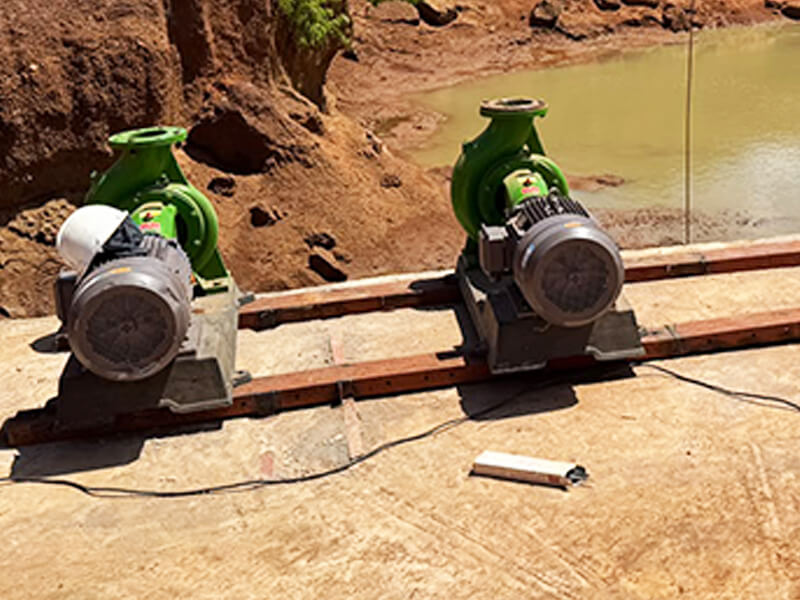
As the core power equipment for water supply systems, industrial production, and agricultural irrigation, water pumps must be selected by precisely balancing ten key factors based on the specific operational environment: flow rate, head, pumped medium, pump type, material, energy efficiency, power supply, maintenance requirements, noise levels, and budget.
Why is a checklist necessary for water pump selection?
Mismatch Between Performance and Operating Conditions:
The most common consequence of improper pump selection is insufficient flow rate or pressure. If the flow rate or head (lift) doesn’t match requirements, the result can range from inadequate water supply to complete system failure.
Excessive Operating Costs:
Selecting a pump with an unnecessarily high power rating can significantly increase electricity consumption, often exponentially. Furthermore, undersized piping or an excessive number of elbows creates unnecessary resistance, wasting energy. This also results in more frequent maintenance, with the costs of downtime often far exceeding any initial savings on the purchase price. In short, any budget saved during procurement is typically offset by higher costs in the years that follow.
Reduced Equipment Lifespan:
Failure to verify suction conditions can lead to cavitation within the impeller. Pumps made of standard cast iron generally have a shorter service life than those made of stainless steel; furthermore, materials or designs ill-suited to the application will accelerate wear and tear. Seals and bearings are usually the first components to fail, subsequently leading to leaks and excessive vibration.
Careful water pump selection ensures that the equipment precisely meets your requirements, helping you avoid wasted capital and operational breakdowns. Whether for domestic irrigation or industrial water supply, a water pump selection checklist provides a basis for judgment and is an important tool that cannot be ignored when purchasing water pumps.
Checklist of 10 Factors for Water Pump Selection
1. Flow Rate Requirement
The required flow rate is directly related to the intended application; neither an excessively high nor an excessively low flow rate is appropriate. For instance, in residential settings, it is determined by the number of occupants and plumbing fixtures; for agricultural irrigation, it depends on the area to be irrigated; and in industrial contexts, it is calculated based on peak process demands.
2. Head (Total Dynamic Head)
Calculating the head requires accounting for both the vertical lift height and the horizontal transport distance. In addition, the horizontal distance and the number of pipe elbows must be considered.
3. Fluid Characteristics
Different media impose vastly different requirements on a pump. For example, high-temperature liquids necessitate heat-resistant materials, corrosive liquids require a Teflon lining, and water containing sand demands a wear-resistant design. Neglecting these factors will significantly shorten the pump’s service life.
4. Types of Water Pumps
Centrifugal pumps are the most versatile, though they are unsuitable for high-viscosity liquids. Submersible pumps can be fully submerged, eliminating concerns regarding suction lift. Plunger pumps are capable of generating high pressure but come at a higher cost. Therefore, selecting the right type of pump for a specific application is essential to ensure optimal performance.
5. Materials and Sealing Of Water Pump
An improper combination of materials and sealing often leads to leaks within the first six months of operation. Cast iron is an affordable option, suitable for neutral, clean water. Stainless steel offers superior corrosion resistance and is appropriate for use in food-related or mildly corrosive environments. Engineering plastics are lightweight but have limitations regarding temperature tolerance. Furthermore, while mechanical seals are more expensive than standard seals, they offer a longer service life and lower maintenance costs.
6. Energy Efficiency and Cost
Although high-efficiency pumps may cost 15–20% more upfront, they can lead to significant electricity savings over the long term. When making a purchase, it is advisable to prioritize energy-efficient models; rather than focusing solely on the initial acquisition cost, consider the total cost of ownership over the pump’s entire lifecycle.
7. Power Source
Electric-powered pumps are the easiest to install but require a stable power supply. Fuel-powered units are well-suited for field operations, though they necessitate regular refueling and maintenance. Solar-powered pumps are eco-friendly but dependent on weather conditions. The appropriate power source should be selected based on the specific usage environment.
8. Maintenance Complexity
Pumps with simple designs generally only require routine tasks like cleaning the filter screen and checking the seals. Models featuring automatic self-cleaning mechanisms offer greater convenience, whereas multi-stage centrifugal pumps require periodic replacement of bearings and mechanical seals. When purchasing a pump, it is important to consider the ease and cost of long-term maintenance.
9. Noise Level
Noise directly impacts the user experience. Household water pumps are often installed near balconies or kitchens, and low-decibel shielded or multi-stage centrifugal pumps are usually the best choice. Additionally, using vibration-dampening pads and positioning the unit away from bedroom walls can significantly reduce noise transmission. For commercial or industrial pump settings, noise standards may be more flexible and should be managed in accordance with site-specific regulations.
10. Budget
Purchasing a water pump involves more than just the initial price tag; one must strike a balance between budget and requirements. The total lifecycle cost of a pump includes the purchase price, installation, energy consumption, and spare parts. The reasonable approach is to first identify the core requirements that must be met, and then compare lifespans among products in the same category, avoiding sacrificing reliability for a lower price.
Many users struggle to balance various factors when selecting a water pump. In reality, by mastering the 10 key points outlined above, you can easily identify the pump model that best suits your specific needs. Whether for residential, agricultural, or industrial applications, it is essential to consider factors such as material durability, energy efficiency, ease of maintenance, and noise control. At the same time, careful budget planning will help you avoid the common pitfalls of choosing low-quality, “cheap” products or over-specifying equipment that exceeds your actual requirements.
Investing a little extra time to select the right water pump is well worth it; it not only ensures optimal equipment performance but also significantly impacts long-term operating costs and ease of maintenance. If you need assistance, please feel free to contact us. We will tailor the most cost-effective water pump selection solution for you!


 English
 Español
 Português
 Русский
 Français