Slurry Pump Clogging? Here Are 6 Solutions For A Quick Fix!
Does your slurry pump keep clogging? Whether in mining, construction, or wastewater treatment, clogging is a common issue that plagues many users. Statistics show that approximately 40% of slurry pump failures are directly linked to clogging, with the resulting maintenance costs and losses from downtime often far exceeding the initial price of the equipment itself. In reality, the root cause may lie in pump selection, operational practices, or maintenance strategies. This article provides an in-depth analysis of the primary causes of slurry pump clogging and offers 6 proven solutions—practical tips designed to help you significantly reduce downtime and ensure more stable pump operation.
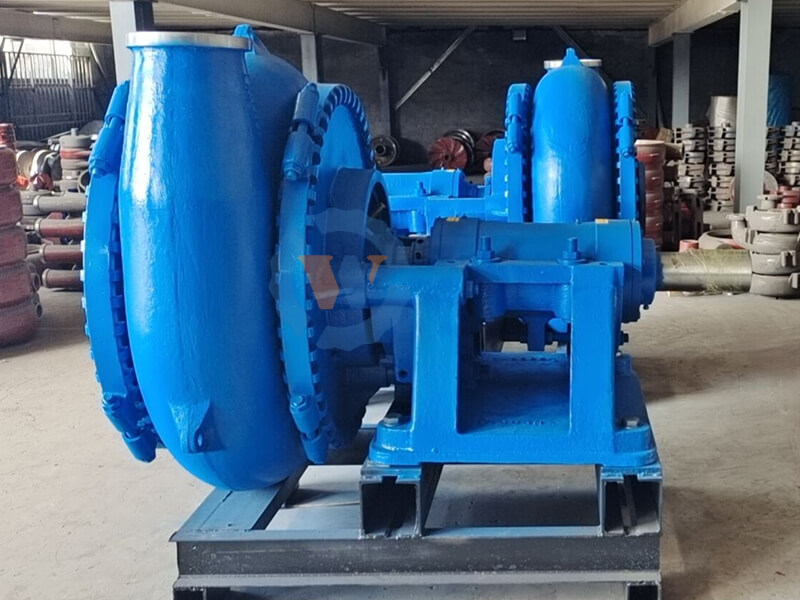
Whether caused by the accumulation of solid particles, incorrect equipment selection, or inadequate maintenance, slurry pump clogging leads to reduced efficiency and soaring costs. Rapid remediation is achieved through six professional solutions, including optimized pump configuration, routine maintenance techniques, and high-efficiency anti-clogging modifications.
Causes of Slurry Pump Clogging
(1) Accumulation of solid particles
Coarse particles or high concentrations of solids within the slurry continuously deposit inside the pump chamber and impeller flow passages, gradually constricting the flow area. Once the accumulation exceeds a critical threshold, the flow passages become completely blocked, causing pumping capacity to plummet or drop to zero.
(2) Incorrect pump selection
Mismatches between the pump model and the slurry characteristics can lead to overloading or insufficient flow, thereby triggering blockages. For instance, using a centrifugal pump to handle high-viscosity slurry makes clogging almost inevitable. Consequently, different slurries impose distinct requirements regarding impeller type, flow passage width, and materials of construction.
(3) Inadequate maintenance
Failure to clean the pump body and screens over extended periods allows deposits to build up. Material accumulation encroaches on the clearance between the impeller and the wear plate, causing hydraulic efficiency to deteriorate. Critical components become susceptible to wear, corrosion, and damage; waiting until a total blockage occurs before taking action doubles both repair costs and downtime.
(4) Improper operating speed
If the rotational speed is too low, the slurry flow velocity is insufficient to keep solid particles in suspension, causing them to settle and accumulate at the bottom of the volute. Conversely, excessive speed accelerates wear and may induce cavitation, roughening the flow passage surfaces and thereby accelerating blockage formation. Rotational speed must be appropriately adjusted based on slurry characteristics and industry standards.
6 Solutions To Fix Slurry Pump Clogging
1. Selecting the Appropriate Pump Model
The selection of a slurry pump must align precisely with the characteristics of the medium being transported, including key properties such as solids content, particle size, and abrasiveness. Heavy-duty slurry pumps should be chosen for high solids content, whereas centrifugal pumps are suitable for slurries with fine particles. Wear resistance is also a critical factor; for instance, high-chrome alloy impellers are ideal for highly abrasive operating conditions. It is recommended to consult a professional pump selection engineer to ensure the optimal model is chosen.
2. Regular Cleaning and Inspection
Routine cleaning is recommended every 200–300 hours of operation or on a weekly basis, focusing on the removal of deposits from impeller channels and the pump casing. Inspections should prioritize key indicators such as impeller wear and seal leakage. For slurries with high solids content, the cleaning frequency can be increased to a simple flush after every shift. Establishing a standard “run-stop-clean” procedure enables the timely detection and resolution of potential clogging risks.
3. Adjusting Pump Operating Speed
Rotational speed directly affects the suspension state of solid particles. High speeds are suitable for transporting viscous materials but accelerate wear, while low speeds may lead to particle sedimentation. It is recommended to operate the pump within 70%–90% of its best efficiency point (BEP) to ensure transport efficiency while preventing clogging. Additionally, using a variable frequency drive (VFD) allows for precise, real-time speed adjustment based on operating conditions.
4. Using Anti-Clogging Impeller Designs
Comparison of open vs. closed impellers:
Open impellers feature larger flow passages and are less prone to jamming, making them suitable for slurries containing large particles or fibers.
Closed impellers offer higher efficiency but are more susceptible to clogging; they are best suited for low-concentration slurries with fine particles. Open or semi-open impellers are the preferred choice for applications involving fibrous materials.
For conditions prone to clogging, specialized impellers such as single-vane or double-vane designs can be selected; these designs significantly improve solids-handling capability and reduce the likelihood of pump clogging.
5. Optimizing the Inlet System
Installing a rotary screen or desander upstream of the pump effectively captures large particulate impurities. Mounting the screen at an angle facilitates the sliding off of debris, preventing accumulation and clogging. A settling tank can also be installed between the feed tank and the pump inlet to allow coarse, heavy particles to settle out first. For fibrous materials, the use of a screen equipped with a cutting mechanism is recommended. Adequate flow velocity must be maintained in the inlet piping to prevent solid sedimentation. Filtration devices should be cleaned regularly to prevent secondary clogging.
6. Use appropriate lubricants and sealing materials
Sealing materials must be chemically compatible with the slurry; otherwise, corrosion can lead to seal failure, allowing slurry to penetrate the bearings and cause malfunctions. Lubricants should be water-resistant and anti-wear to avoid loss of lubricating properties due to emulsification. Specific materials for the slurry pump’s mechanical seal should be selected based on the abrasiveness of the slurry; currently, a silicon carbide paired with cemented carbide for the slurry pump is the prevailing choice. Proper material selection can significantly extend the pump’s service life.
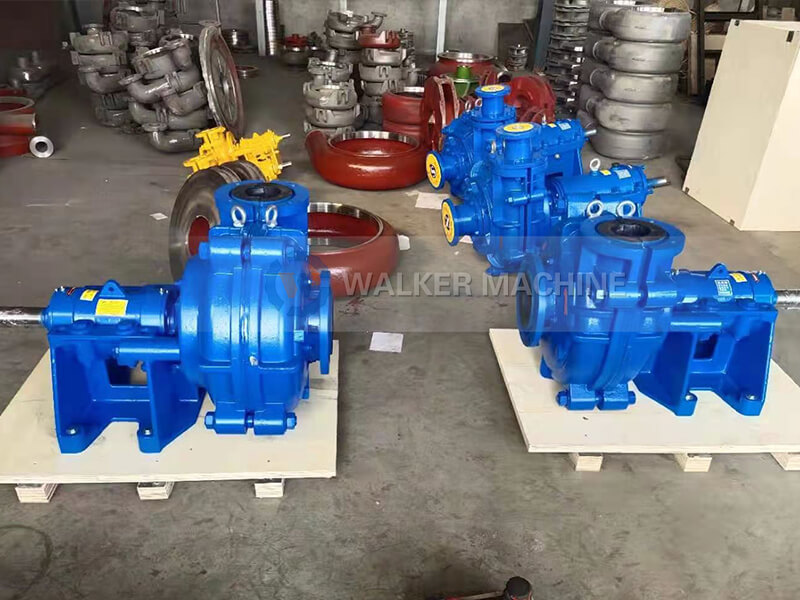
By implementing six key solutions—including proper pump selection, regular maintenance, rotational speed optimization, impeller modification, and improvements to the intake and lubrication systems; you can effectively prevent slurry pump clogging and extend equipment service life. Achieving optimal anti-clogging performance requires precisely tailoring each aspect to the specific operating conditions and the characteristics of the pumped medium. Selecting the right pump model lays the foundation; regular cleaning is crucial, and optimizing operating parameters ensures reliability.
Above all, prevention is always more time- and cost-effective than reactive repairs. If your specific operating conditions require a customized slurry pump, please contact us; we will provide the most suitable solution based on parameters such as material characteristics and required flow rates.


 English
  Español
  Português
  Русский
  Français